The role of Jesuit colleges in the birth of the modern university
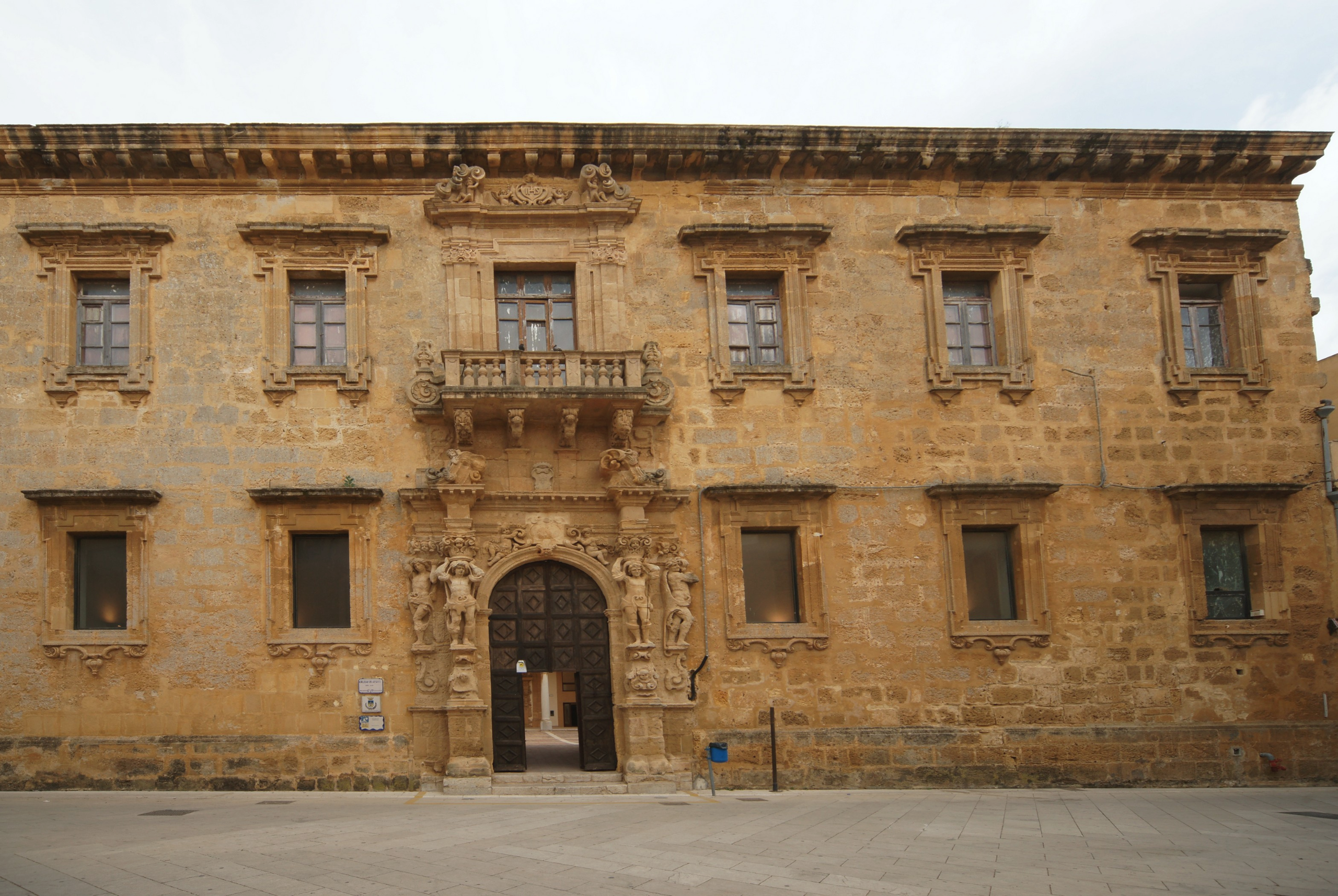
Reflecting today on the role of Jesuit colleges means returning to the origins of an idea of the university that continues to shape contemporary educational paths: a space where the rigor of method and the dissemination of knowledge come together to foster the integral growth of the person.
During the sixteenth and seventeenth centuries, the Society of Jesus contributed decisively to defining a structured educational model, capable of overcoming the fragmentation of teaching and giving form to a coherent and shared system, oriented not only toward intellectual development but also toward the formation of conscience.
The heart of the transformation: method
One of the most significant elements of this contribution is the method, codified in the Ratio Studiorum in 1599. This was not simply about establishing content or curricula, but about building an organic pedagogical framework, grounded in a structured progression of studies, common teaching criteria, and a unified vision of knowledge.
The introduction of level based classes, the centrality of assessment, attention to teacher formation, and the quality of the educational relationship all contributed to defining a structure that still characterizes academic organization today.
In the Ignatian perspective, method is not only an organizational tool, but a way of accompanying students in their growth. Ordering studies means providing tools to understand reality critically, moving from the simple acquisition of knowledge to the ability to interpret, connect, and discern.
The network of colleges and the circulation of knowledge
Alongside method, another decisive element was the creation of an extensive and interconnected educational network. Jesuit colleges, spread across Europe and gradually across other continents, represented one of the earliest examples of an international educational system.
Teachers and students moved between different cities and cultural contexts, bringing with them shared programs, practices, and content. The Roman College, in particular, became a central reference point for higher education and for the production and dissemination of knowledge.
This circulation was not only vertical, from teacher to student, but also horizontal, across different contexts. New scientific discoveries, experiences from mission territories, and philosophical and theological reflections continuously enriched educational pathways.
In this sense, Jesuit colleges anticipated a dimension that is now central to the university world: an academic community capable of dialogue beyond geographical and cultural boundaries.
An integrated vision of knowledge
The Jesuit model did not separate disciplines, but placed them in dialogue. Alongside the humanities, philosophy, theology, and the sciences all found a place within a perspective aimed at forming individuals capable of understanding the complexity of reality.
This integration reflects a vision of knowledge as a tool for human growth and social responsibility. Studying was not about accumulating information, but about preparing to participate consciously in the life of the community.
In this view, the university is not only a place of specialization, but a space for the formation of the whole person.
A legacy that continues
The experience of Jesuit colleges helped define key elements that still characterize the modern university: the structure of study programs, the importance of method, the centrality of the educational relationship, and the international dimension of knowledge.
Within the path promoted by Fondazione Gesuiti Educazione, this legacy is expressed through the commitment to combine intellectual rigor with attention to the person, openness to dialogue with responsibility toward reality.
Revisiting this history today means recognizing that education is never neutral, but a process that helps form individuals capable of understanding the world and acting within it with awareness.
Share