The journey of Saint Ignatius to Jerusalem: a pilgrimage that changed history
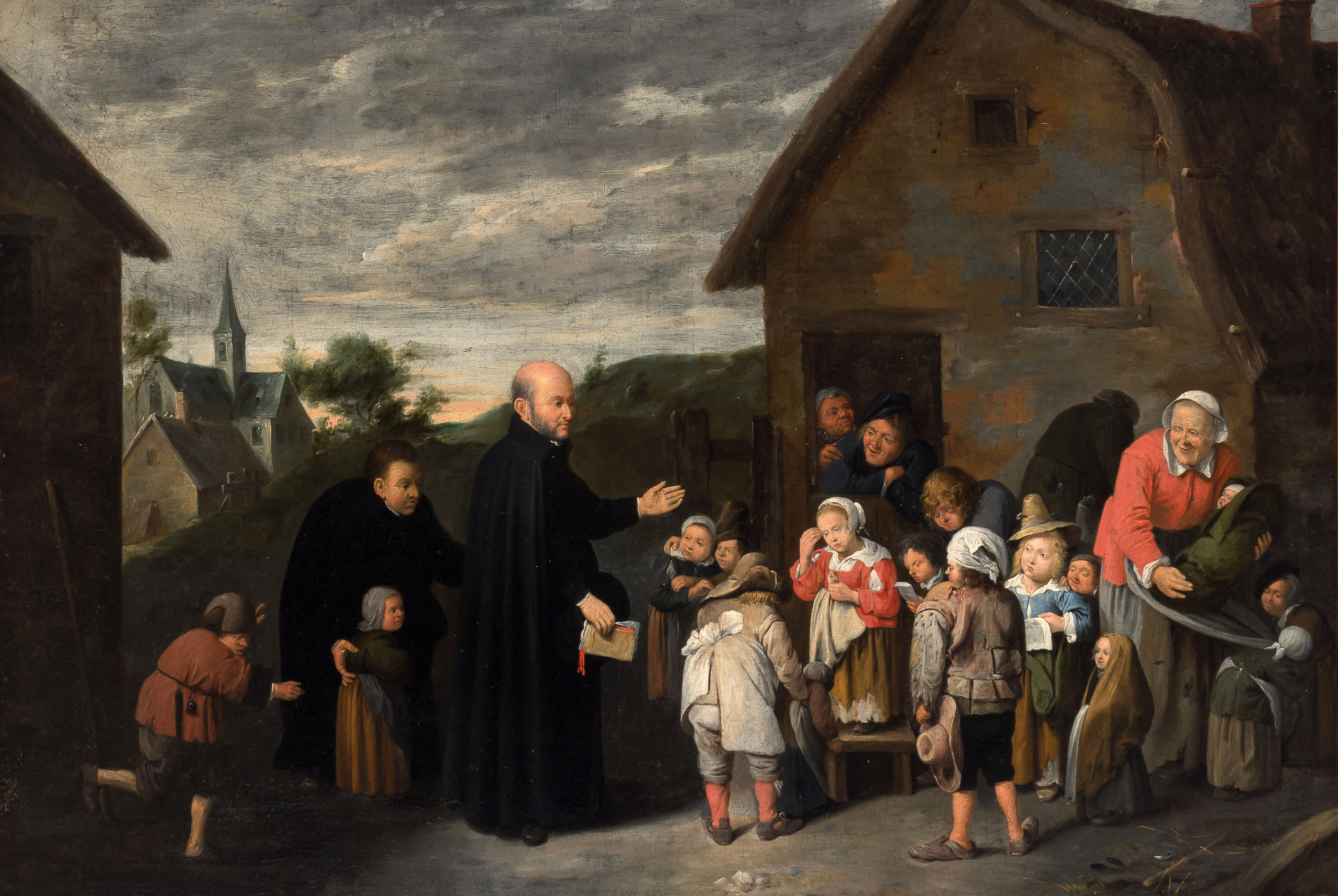
Ignatius of Loyola’s brief stay in the Holy Land reshaped his spiritual vision
After his conversion, Ignatius of Loyola developed a profound desire to undertake a pilgrimage to Jerusalem. He longed to walk the places where Jesus had lived, pray at the holy sites and dedicate himself to serving pilgrims and the poor.
For Ignatius, the Holy Land represented the place where he hoped to confirm his spiritual calling and orient his life completely toward the Gospel.
On 4th September 1523 he set sail across the Mediterranean with the intention of remaining permanently in Jerusalem. This was not merely a journey, but a path marked by discernment, inner searching and readiness to embrace whatever mission God would reveal to him.
Arrival in Jerusalem and encounter with the Custody
Once in the Holy Land, Ignatius visited the Holy Sepulchre, the Mount of Olives and the principal sites linked to the life of Christ. These moments of intense prayer left a lasting mark on him, strengthening his resolve to devote himself entirely to the service of Christ.
In Jerusalem, he came into contact with the friars of the Custody of the Holy Land, responsible for the safety and care of pilgrims in a region shaken by political tensions. Ignatius expressed his desire to remain in the city, but the friars – aware of the dangers he would face – judged his permanent stay impossible. For his own safety and for the stability of their mission, they ordered him to return to Europe.
A forced return that became a moment of revelation
Being compelled to leave Jerusalem was for Ignatius a moment of deep sorrow. He had imagined the Holy Land as the definitive place of his mission and initially saw the friars’ decision as an obstacle to God’s plan for him.
During his journey back, however, a new understanding slowly emerged. Ignatius realized that God’s will did not coincide with his original intention, and that the heart of his mission would not be confined to a single place. The pilgrimage to Jerusalem – rather than a destination – became a profound turning point, transforming his perspective and opening him to a universal horizon.
He understood that his service was meant for the wider world. The Holy Land remained in his heart as a source of inspiration, but the mission entrusted to him was to unfold elsewhere.
A pilgrimage that prepared the birth of the Society of Jesus
Once back in Europe, Ignatius entered a period of study, formation and spiritual discernment that led him first to Barcelona, then to Alcalá, Salamanca and finally Paris. There he gathered the first companions who shared his vision and desire to serve the Church.
The memory of the Holy Land remained central even among them: together they vowed poverty, chastity and obedience on 15th August 1534 in the chapel of Montmartre, committing themselves – if possible – to return to Jerusalem.
In 1537, on the road to Rome, Ignatius experienced the vision of La Storta, which confirmed the direction of his mission. Three years later, in 1540, Pope Paul III approved the Society of Jesus, giving life to a new religious order destined to influence the spiritual and cultural history of the world. What seemed like a failed pilgrimage had in fact laid the foundation for a global vocation.
The enduring meaning of the Ignatian pilgrimage
Five centuries later, the journey of Ignatius to the Holy Land remains strikingly relevant. That brief and seemingly unfinished pilgrimage has become the symbol of an inner journey that unites desire and discernment, welcomes limits as necessary steps and transforms unexpected changes into new possibilities.
His experience in Jerusalem reminds us that spiritual growth does not always occur where we expect it, but often through the unplanned moments that reshape our perspective and guide us toward deeper purpose.
The pilgrimage of Ignatius still speaks today as an invitation to read our own history with a contemplative gaze, recognizing that even the most unexpected turns can become part of a larger mission.
Share