The Feast of the Most Holy Name of Jesus
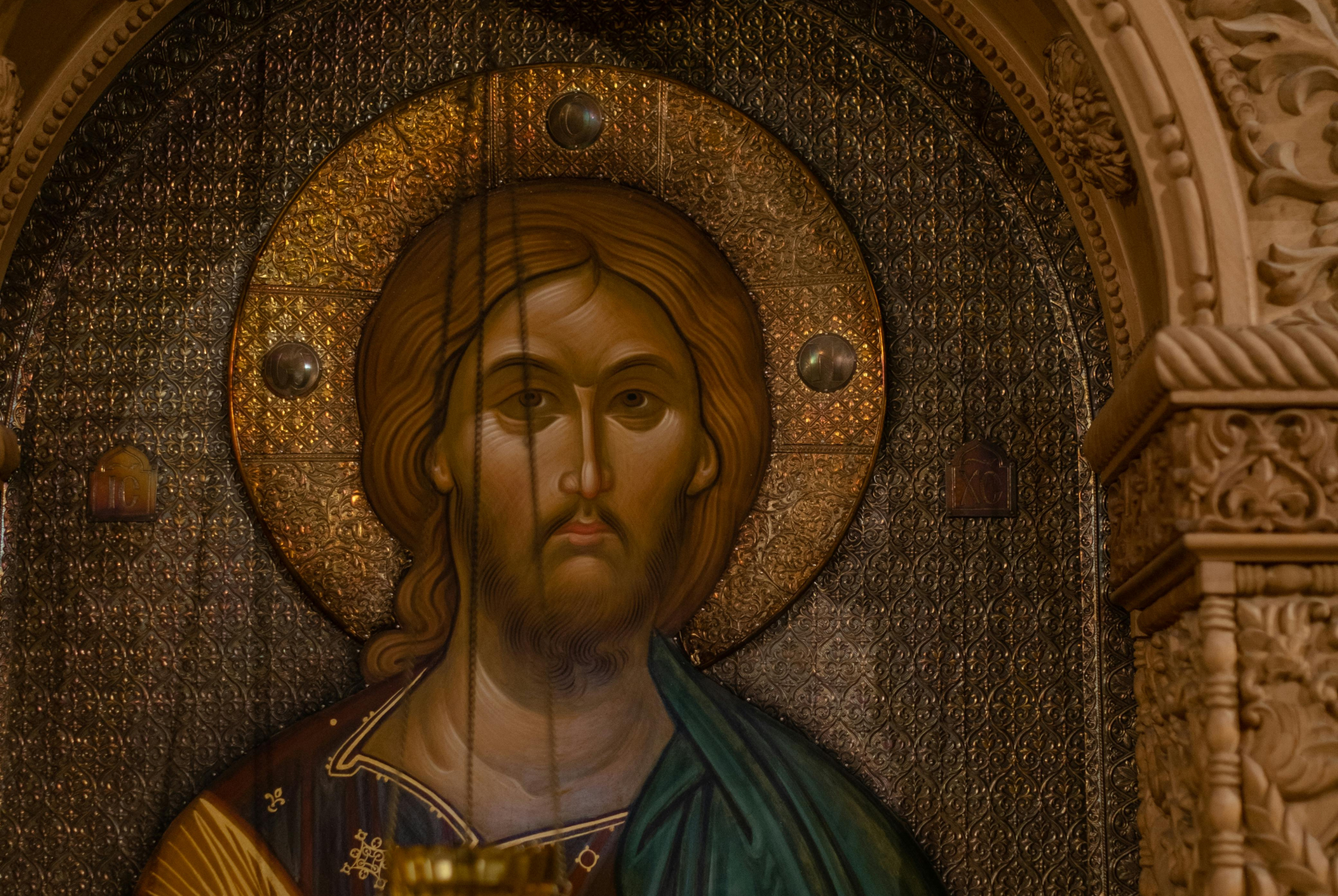
January 3, a feast that tells the origin and identity of the Society of Jesus
On January 3, the Church celebrates the Feast of the Most Holy Name of Jesus, a liturgical commemoration of particular significance for the Society of Jesus, which draws its very identity from this Name. It is not simply a title, but a deeply theological and spiritual choice, rooted in Sacred Scripture, the tradition of the Church, and the personal experience of Saint Ignatius of Loyola.
Understanding why the Jesuits bear the name of Jesus means entering the heart of Ignatian spirituality and of their educational, pastoral, and social mission.
The meaning of the Name of Jesus in Christian tradition
In the Bible, a name is never merely a formal designation; it expresses identity and mission. The name Jesus, meaning “God saves,” contains the very essence of the Incarnation and Christ’s salvific work. The Gospel of Matthew states: “You shall name him Jesus, for he will save his people from their sins” (Mt 1:21).
From the earliest centuries of Christianity, the Name of Jesus has been an object of profound veneration. This is powerfully expressed in the Letter to the Philippians: “At the name of Jesus every knee should bend, in heaven and on earth and under the earth” (Phil 2:10). To invoke the Name of Jesus is to acknowledge his lordship and to entrust oneself to his saving presence.
Devotion to the Most Holy Name of Jesus
Throughout history, devotion to the Most Holy Name of Jesus has held a central place in the life of the Church, particularly from the Middle Ages onward. A decisive contribution came from the preaching of Saint Bernardine of Siena, who promoted the monogram IHS, formed from the first three letters of Jesus’ name in Greek, as a sign of faith, conversion, and spiritual renewal.
This symbol soon became a powerful tool of evangelization and a visible reminder of the centrality of Christ in personal and communal life. It is no coincidence that the monogram IHS was adopted as the official emblem of the Society of Jesus and remains so to this day.
Why “Society of Jesus”
When Saint Ignatius of Loyola and his first companions sought a name for their new religious order, the choice of “Society of Jesus” was neither immediate nor without debate. Some considered it too bold, even presumptuous. For Ignatius, however, the name clearly expressed the vocation they had received: to be companions of Jesus, sharing in his mission and placing themselves entirely at his service.
In the Constitutions of the Society of Jesus, Ignatius makes clear that the name implies not privilege but responsibility. Belonging to Jesus means following him more closely, embracing his way of life, his relationship with the Father, and his concern for every person especially the poor and the forgotten.
The Name of Jesus and the Jesuit mission
The centrality of the Name of Jesus permeates the entire Jesuit mission, from spiritual formation to educational and social engagement. In the Spiritual Exercises, Saint Ignatius invites believers to contemplate Christ as the Lord who calls them to collaborate with him in building the Kingdom of God. To belong to the Society of Jesus is to respond to this call with availability, discernment, and service.
Over time, Jesuits have lived out this calling in many fields: Jesuit education, cultural research, spiritual accompaniment, social commitment, and dialogue with the contemporary world always keeping Christ at the center.
A feast that speaks to the present
The Feast of the Most Holy Name of Jesus, celebrated on January 3, is not merely a liturgical remembrance, but a timely reminder of Christ’s central place in the life of the Church and in educational communities inspired by the Ignatian tradition.
For Fondazione Gesuiti Educazione, this feast becomes an opportunity to renew its connection with the spiritual roots of the Society of Jesus and to recall that every educational project finds its deepest meaning in accompanying people as they grow into conscious, free individuals oriented toward the common good.
Share