Seeds of Peace: When Small Acts Become a Shared Educational Experience
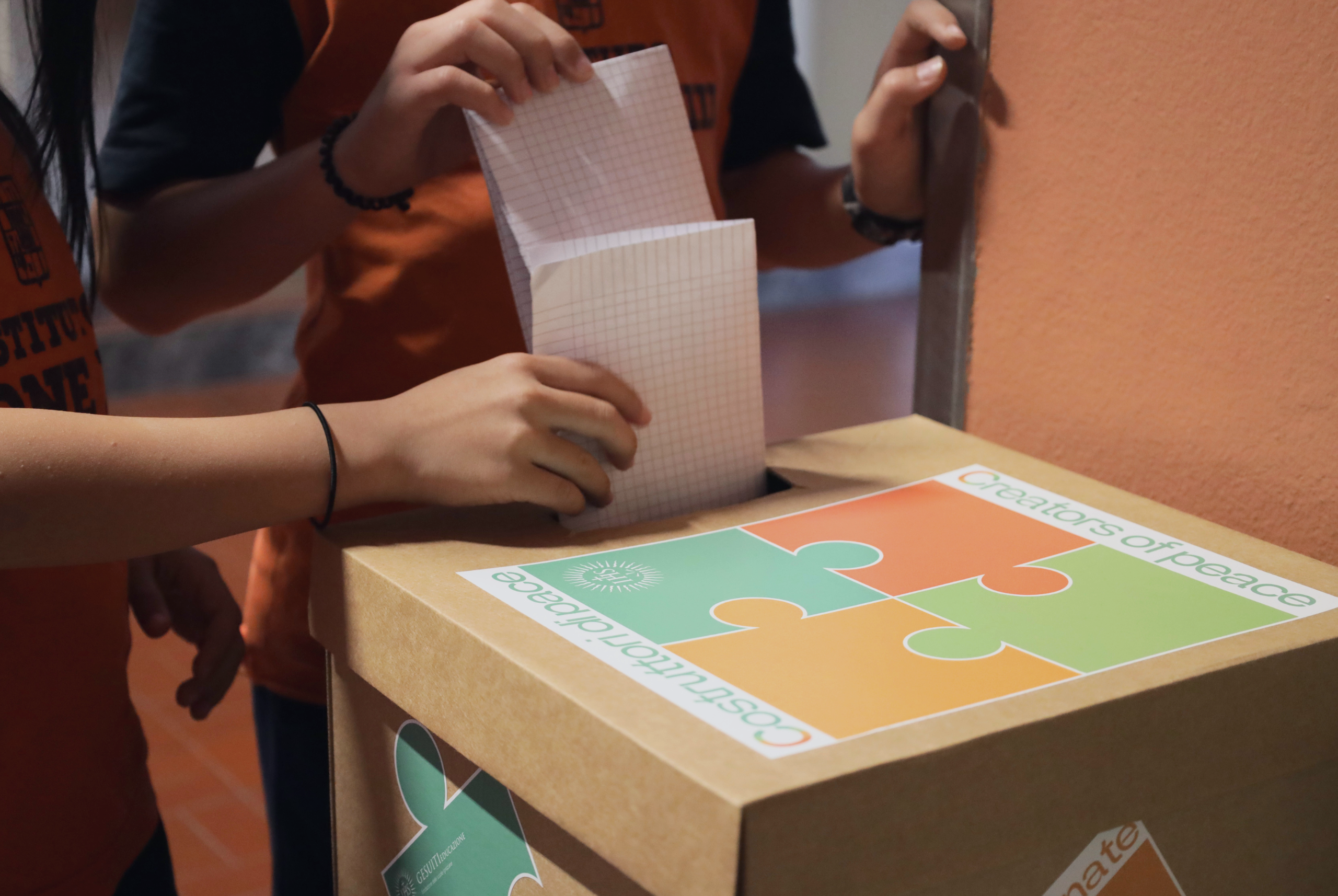
There is a kind of peace that is not born only from major events or political decisions. It is a peace that takes shape through everyday gestures, welcoming words, quiet acts of kindness, and the attention we give to those around us.
With the end of the school year, the Seeds of Peace project also came to a close. The initiative involved the schools of the Fondazione Gesuiti Educazione network in a shared experience of reflection, participation, and peacebuilding through the simple gestures of everyday life.
It was from this conviction that Seeds of Peace was born during the past school year. The project brought together students of all ages across the Foundation’s educational network, transforming a simple action—recognizing and sharing an experience of peace witnessed or lived firsthand—into a meaningful educational journey of awareness, gratitude, and responsibility.
A Project That Teaches Us to Recognize the Good
Inspired by the pastoral theme of the year and by Pope Leo XIV’s reflections on personal responsibility in building peace, the project invited students to pause and observe reality through a different lens. Through the Peace Boxes placed in each school, everyone had the opportunity to share an act of kindness, care, or generosity that they had experienced or witnessed.
At a time when our attention is often drawn primarily to conflict and difficulty, Seeds of Peace encouraged students to develop a different perspective: one capable of recognizing the good that is already present in everyday life. What appeared to be a simple exercise became an opportunity for children and young people to rediscover the value of those quiet gestures that, despite their simplicity, help build authentic relationships every day.
The goal was not to identify the most popular students or celebrate extraordinary actions, but to recognize the kind of peace that often grows silently through small acts of kindness capable of strengthening genuine human relationships.
Many Schools, One Shared Journey
Each school interpreted the project according to its own educational context, while pursuing a common objective: helping students recognize the good present in everyday life. During the final meeting of the Network Tutoring coordinators, a rich variety of experiences emerged, all united by the desire to educate young people to observe reality more attentively and to appreciate the value of relationships and small acts of peace.
At Meshkalla Institute in Shkodër, Albania, the project gave voice to stories of hugs, words of encouragement, thoughtful advice, and everyday acts of help—concrete signs of a peace lived through daily relationships.
At the Gonzaga Institute in Palermo, the initiative highlighted the remarkable sensitivity of middle school students. As a result, the school introduced the “Peace Ambassador” recognition to honor those who contribute every day to building positive relationships within the school community.
Equally meaningful was the experience of the International School Palermo, where students chose to recognize not the most popular classmates, but those who quietly helped others. Among them was a student who had recently arrived from China and, despite not yet speaking Italian or English, became a point of reference for classmates through the universal language of kindness and non-verbal communication. His story became a powerful reminder that peace begins with relationships.
Across the other schools in the network, the project inspired equally creative initiatives: walls covered with messages of kindness at the Istituto Sociale in Turin, awards dedicated to the classes most attentive to others Institute Leone XIII, moments of shared reflection during end-of-year celebrations at the Istituto Massimo in Rome, public readings of the collected messages, and artistic installations created using the notes from the Peace Boxes at St. Ignatius Institute in Messina.
Learning to Recognize What Often Goes Unnoticed
One of the most meaningful outcomes highlighted by the network coordinators was the change in perspective experienced by many students.
They began paying closer attention to what was happening around them, learning to recognize the value of gestures that often go unnoticed: a classmate who quietly helps another, a word of encouragement, a teacher who takes time to listen, or a member of the school staff who lovingly cares for shared spaces.
In many cases, it was the quietest and most reserved students who received the greatest number of nominations, demonstrating that the ability to build peace is not measured by visibility, but by the quality of the relationships one creates.
The Faces of Peace: When Goodness Is Recognized
Among the most meaningful outcomes of the project were the many stories shared by students. Together, they revealed a daily reality shaped by people who, often away from the spotlight, contribute to the well-being of their communities through listening, generosity, and care. Seeds of Peace gave visibility to these everyday examples, showing how the simplest acts often leave the deepest mark on people’s lives.
At the Gonzaga Institute in Palermo, many nominations celebrated students who were consistently willing to help others, comfort classmates facing difficulties, welcome everyone with empathy, and generously offer their time. In many cases, what was recognized was not a single extraordinary gesture, but the consistency of an attitude marked by respect, attentiveness, and kindness.
At Meshkalla Institute in Shkodër, particularly moving testimonies emerged: a student who discreetly offered food and drinks to classmates facing financial hardship, and another who remained beside a friend during a moment of deep suffering, simply listening and embracing her. These were simple acts, yet profoundly meaningful expressions of closeness and compassion.
The project also involved younger students. At Leone XIII Institute in Milan, several primary school classes were recognized for living, day after day, those “small acts of kindness that change our present,” demonstrating that peace can become a shared educational experience from the earliest years of school.
These stories reveal the deepest meaning of Seeds of Peace: educating young people to recognize the good that already exists within their school communities, giving visibility to gestures that often go unnoticed but that, like seeds, have the power to nurture stronger relationships and more caring communities.
A Network Growing Together
The project also represented the first major shared initiative of the Network Tutoring Team of Fondazione Gesuiti Educazione.
Implementing the same educational proposal simultaneously across schools located in different countries and cultural contexts allowed educators to exchange ideas, share good practices, and reflect together on the results, strengthening their sense of belonging to a broader educational community.
As emerged during the concluding meeting, the more a project is experienced and shared collectively, the more meaningful its impact becomes. Although the initiative took place during the final weeks of the school year, its first fruits are already visible, and many schools have expressed their desire to continue the experience in the coming year.
Sowing Today to Build Tomorrow
Within Ignatian pedagogy, education means helping every person read reality with eyes capable of recognizing what generates life, hope, and the common good. Seeds of Peace translated this vision into a concrete educational experience, inviting students to pause, observe, and value those gestures that often remain invisible but that make every community more welcoming and supportive.
In this sense, the project demonstrated how even the simplest gesture can become an opportunity for both personal and communal growth. Peace is not built only through major historical events or extraordinary actions, but through the everyday choices each person makes in their relationships with others.
Like every seed, peace needs time, care, and trust in order to grow. And when a community learns to recognize and value the good already present within it, that seed can truly become the foundation of a better future.
Because educating for peace means, above all, learning to recognize it in the small gestures that make a community more human every single day.
Share