Memory as a commitment
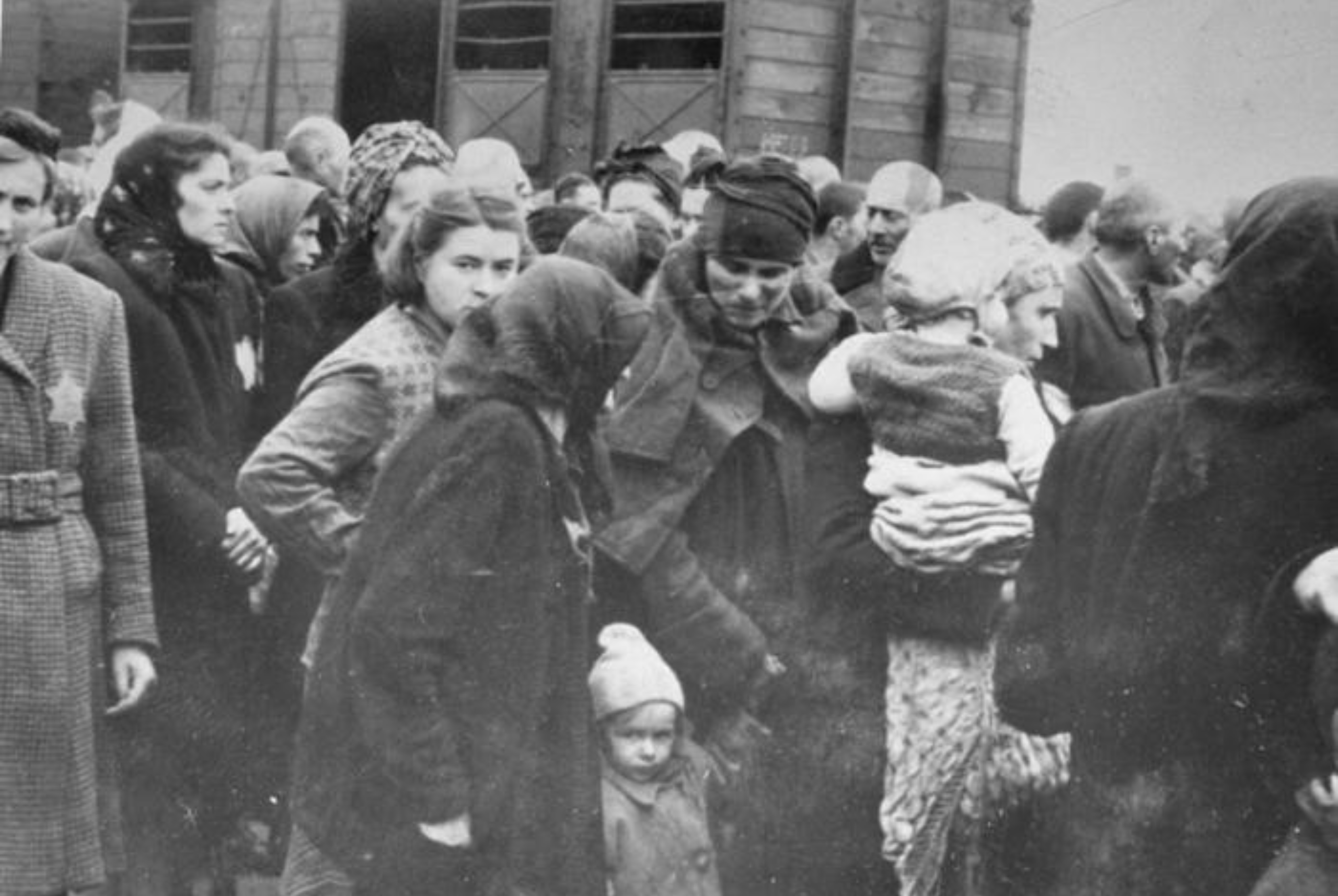
The Jesuits and the defense of human dignity during the Shoah
The Shoah represents one of the deepest fractures in contemporary history an event that radically called into question the very meaning of being human. Remembering does not mean merely preserving the past, but assuming responsibility in the present. Within this perspective, memory becomes commitment: an ethical and educational choice.
During the years of Nazi and Fascist persecution, members of the Society of Jesus were also confronted with the systematic violence inflicted upon the Jewish people. In different contexts, and often under conditions of extreme danger, some Jesuits chose to defend human dignity by offering protection, shelter, and concrete assistance. Their actions were not isolated acts of heroism, but the coherent expression of a vision of humanity rooted in the Gospel.
Historical context: persecution and responsibility
Between 1933 and 1945, Europe experienced a process of progressive dehumanization that culminated in the extermination of millions of Jews. The Shoah was not only the result of a criminal political system, but also the consequence of silence, complicity, and indifference.
Within this context, the Catholic Church and its religious orders operated in a complex reality marked by pressure, threats, and surveillance. Some Jesuits, in various countries occupied by Nazi forces, chose to assume the risk of personal responsibility, putting into practice a silent yet concrete resistance to the logic of persecution. In France, Belgium, Italy, and Hungary, members of the Society offered refuge to persecuted Jews, facilitated escape to safer areas, and made colleges, religious houses, and networks of contacts available. Figures such as Fr. Pierre Chaillet in Lyon, Fr. Jean-Baptiste Janssens in Belgium, and Fr. Pietro Tacchi Venturi in Italy worked, in different contexts, to defend human life and dignity, often acting with discretion and at personal risk.
Saving lives, defending the human person
In Italy, France, Belgium, Hungary, and other European territories, Jesuits and religious communities connected to the Society of Jesus offered refuge to persecuted Jews, facilitated escapes abroad, and made colleges, religious houses, and networks of contacts available.
In France, between 1941 and 1944, Fr. Pierre Chaillet SJ worked in Lyon within networks of spiritual and civil resistance, contributing to the protection of Jewish families and to the clandestine publication of the Cahiers du Témoignage Chrétien. In Belgium, during the years of German occupation, Fr. Jean-Baptiste Janssens SJ, then provincial superior, supported initiatives of assistance and protection that also involved Jesuit educational institutions. In Italy, during the Nazi-Fascist occupation of 1943–1944, Jesuit colleges and religious houses in Rome and other cities offered shelter and hiding places to persecuted individuals; in this context Fr. Pietro Tacchi Venturi SJ was also active, engaged in mediation efforts and humanitarian interventions.
In Hungary, between 1944 and 1945, Jesuits present in Budapest collaborated with ecclesial and civic networks to protect Jews threatened by deportation.
These actions did not arise from a centralized strategy, but from individual choices of conscience shaped through discernment. Defending the human person meant recognizing in the other—especially the most vulnerable an inviolable dignity. In this sense, the Jesuit response to the Shoah can be understood as a form of moral resistance, placing the value of human life above fear.
Discernment as an ethical key
At the heart of many of these decisions lay Ignatian discernment, understood not as abstract reflection but as the capacity to read reality in the light of conscience and responsibility. At a time when racial laws sought to redefine humanity according to ethnic criteria, discernment led some Jesuits to recognize the urgency of action.
This dimension remains central from an educational perspective as well. The Shoah continues to challenge the formation of consciences today, calling for the development of critical thinking, attentiveness to the signs of the times, and the courage to choose what is right, even when it entails personal risk.
Memory, education, and responsibility
Remembering the Shoah means questioning the present. Memory is not a commemorative exercise, but a process that involves educational responsibility. For Fondazione Gesuiti Educazione, reflecting on the role of Jesuits during the Shoah means reaffirming a commitment to formation grounded in the protection of human dignity, the pursuit of justice, and the rejection of all forms of discrimination.
In the Ignatian tradition, education is not limited to the transmission of knowledge; it seeks to form persons capable of discernment, responsibility, and the courage to stand on the side of humanity when it is threatened.
A memory that challenges the present
At a time when hateful language, ideological simplifications, and new forms of exclusion are re-emerging, the memory of the Shoah remains a powerful warning. The stories of those who chose to act, often in silence, remind us that the defense of human dignity is never guaranteed, but requires vigilance, courage, and coherence.
The witness of the Jesuits who risked their lives during the Shoah to save others invites us today not to separate memory from commitment, history from the present, or education from responsibility.
Share