The College of Messina(1548): Where It All Began
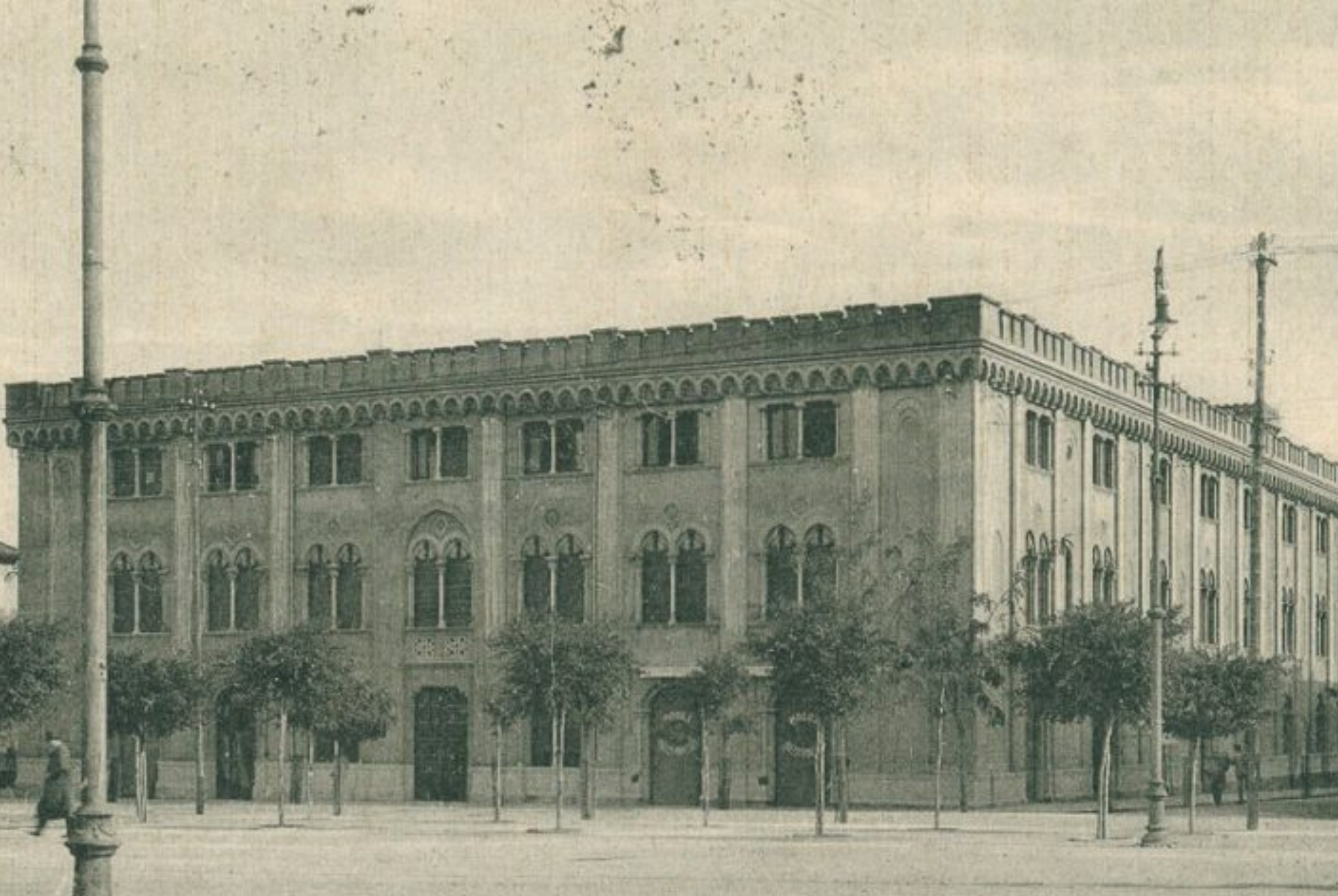
The birth of Jesuit education and the first college of the Society of Jesus
In 1548, with the opening of the College of Messina, the Society of Jesus inaugurated a new chapter in the history of European education. This was not merely the founding of a school, but the beginning of an educational model destined to spread throughout the world, becoming one of the defining features of the Jesuit mission.
The College of Messina is in fact the first Jesuit college in history, open also to laypeople, the place where the pedagogical vision of Saint Ignatius of Loyola and his first companions took concrete form: an education capable of bringing together knowledge, human formation, and spiritual depth.
Historical context and the foundation of the College
The foundation of the College of Messina took place during a period of profound transformation for both the Church and European society. In the heart of the sixteenth century, marked by the tensions of the Protestant Reformation and the cultural changes of Humanism, the Society of Jesus was still a young religious order, officially approved only in 1540.
At the request of the civil and ecclesiastical authorities of the city of Messina, Ignatius agreed to send a group of Jesuits to establish a college. Among them were leading figures such as Jerónimo Nadal and Peter Canisius, protagonists of the earliest phase of Jesuit education.
A new educational model
The College of Messina introduced an innovative educational model for its time. Teaching was not limited to those preparing for religious life, but was also open to lay students, with particular attention to the integral formation of the person. Its curriculum focused on:
- the study of the humanities (Latin, Greek, rhetoric),
- philosophical and theological formation,
- moral and spiritual education.
This approach reflected a new vision of the school as a place of comprehensive growth, capable of forming informed, responsible, and critically minded citizens.
Messina as an educational laboratory
The College of Messina quickly became a true pedagogical laboratory. Here, teaching methods, organizational structures, and academic programs were tested and refined, later influencing the entire network of Jesuit schools.
The Messina experience played a decisive role in the later development of the Ratio Studiorum, the document that, at the end of the sixteenth century, would systematize the educational method of the Society of Jesus. Many key elements of Jesuit pedagogy, such as attention to the individual person, personal accompaniment, and the practice of discernment, found their first concrete applications in Messina.
Global impact on Jesuit education
Following the example of Messina, the Jesuit college model spread rapidly throughout Italy and Europe, and later to other continents through missionary activity. The College of Messina thus marked the beginning of an educational tradition that continues to shape Jesuit schools and institutions around the world.
Jesuit education established itself as a privileged means of dialogue with culture, human development, and service to society, while remaining deeply rooted in Ignatian spirituality.
A living legacy
Nearly five centuries later, the College of Messina remains a symbolic and historical point of reference for those engaged in education inspired by the Jesuit tradition. Not only as the first Jesuit college, but as the place where a vision of education took shape that is still relevant today: forming people capable of critical thinking, responsibility, and commitment to the common good.
Share