Saint Anthony the Abbot and the school of the desert
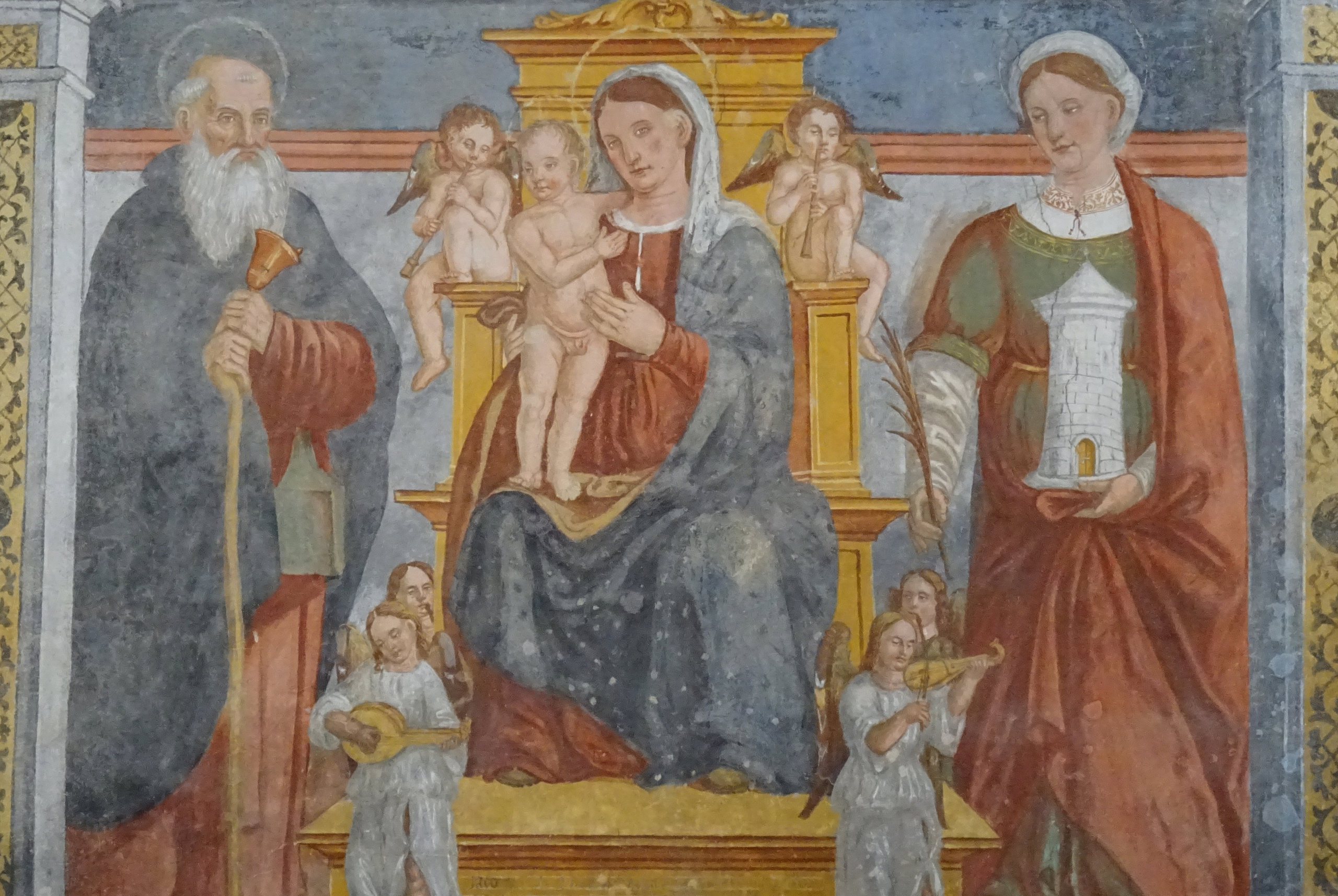
Silence, discernment, and inner freedom as a path of growth
On January 17, the Church celebrates Saint Anthony the Abbot, one of the most significant figures of early Christianity and widely recognized as the father of Christian monasticism. His life experience in the desert, often interpreted as a radical choice of solitude, in fact holds a deeply educational and spiritual message that remains highly relevant today: the value of silence, discernment, and inner freedom as the foundation of an authentic life.
Revisiting the figure of Saint Anthony the Abbot today means rediscovering a true pedagogy of the desert, capable of speaking to contemporary educational paths and to the integral formation of the person.
Saint Anthony the Abbot and the choice of evangelical radicality
Anthony was born in Egypt around 251 AD. Orphaned at a young age, he once heard the words of Jesus proclaimed in the Gospel: “If you wish to be perfect, go, sell what you have and give to the poor” (Mt 19:21). These words marked a decisive turning point in his life. Anthony distributed his possessions and withdrew into the desert, giving rise to a form of life that would profoundly shape the history of Christian spirituality.
For Saint Anthony, the desert was not an escape from the world, but a space of truth and essentiality, where he could learn to know himself and to orient his entire existence toward God. In this sense, his experience has a clear educational value: silence and solitude become tools for personal and spiritual growth.
The desert as an educational and spiritual place
In biblical and Christian tradition, the desert is the place of encounter with God, of trial, and of transformation. Saint Anthony lived the desert as a true inner school, shaped by prayer, work, listening, and discipline.
This experience can be understood as a form of spiritual pedagogy rooted in what is essential: stripping away what is superfluous in order to rediscover meaning, facing one’s own fragilities in order to grow in freedom, and acknowledging one’s limits in order to open oneself to grace. The desert educates because it forces a confrontation with oneself, with one’s fears, and with one’s deepest desires.
Inner struggle and discernment
Accounts of Saint Anthony the Abbot’s life often speak of his inner struggles and the temptations he faced in the desert. Beyond the symbolic imagery, these episodes convey a truth that remains actual: freedom is not the absence of conflict, but the ability to pass through it with awareness.
Anthony learned to recognize what distanced him from inner peace and what, instead, led him toward a greater unity of life. In this perspective, his experience anticipates a central theme of great educational value: discernment as a process that helps one read interior movements and choose what leads to the greater good.
From solitude to community
Paradoxically, Saint Anthony’s withdrawal into the desert did not isolate him from others. His witness attracted numerous disciples, giving rise to the earliest forms of communal monastic life. The inner freedom cultivated in silence thus became a shared resource, capable of generating relationships and communities.
This passage is particularly meaningful from an educational point of view: only those who cultivate a deep interior life can become truly generative, capable of accompanying others on their path of growth.
An educational message still relevant today
In a time marked by speed, an overload of stimuli, and difficulty in listening, the figure of Saint Anthony the Abbot continues to offer a fruitful challenge. His invitation is not to flee the world, but to carve out spaces of silence, interiority, and discernment in order to live with greater awareness and freedom.
Share