Community and sharing: the meaning of Corpus Domini
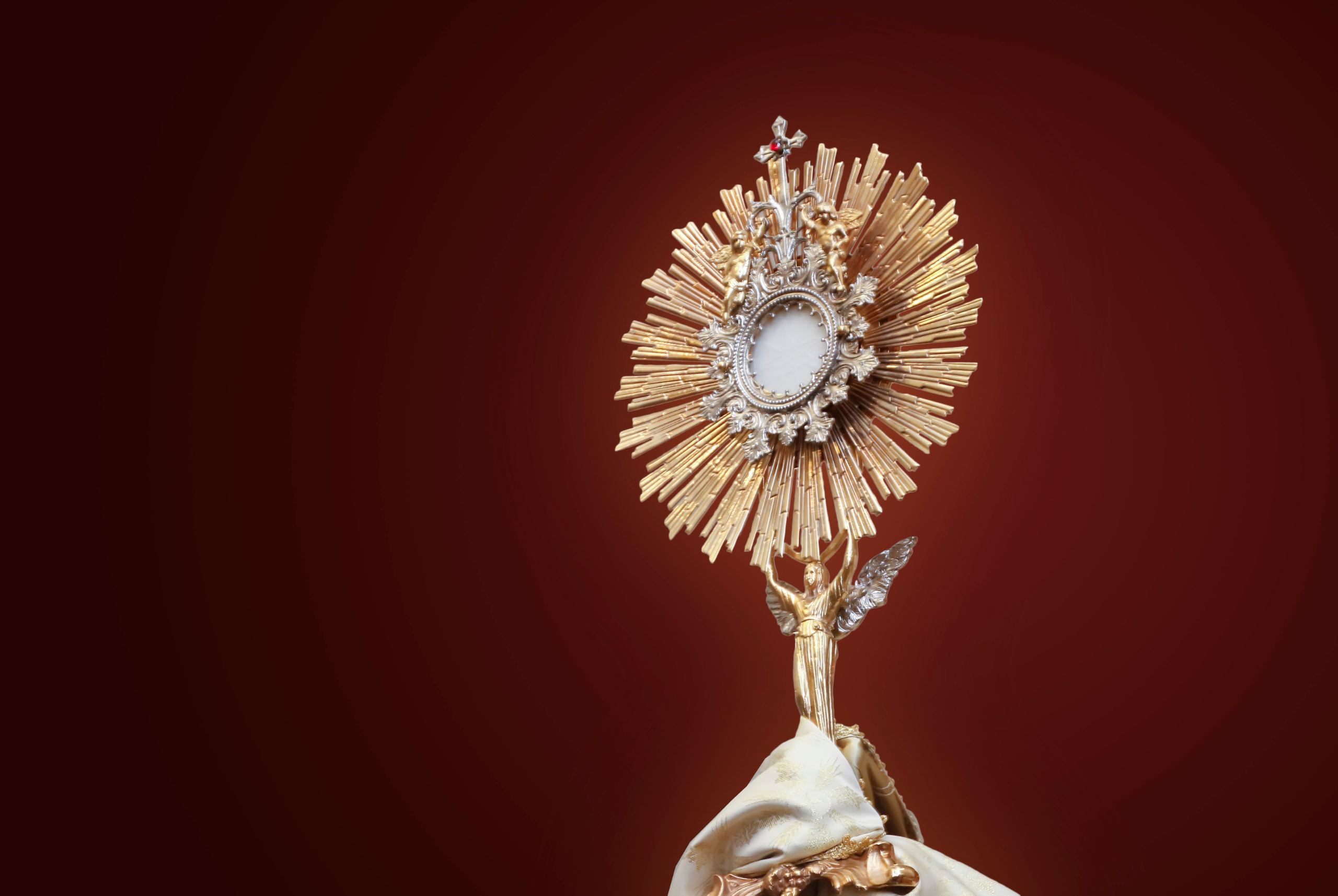
The solemnity of Corpus Domini invites us to pause before a gesture that, within the Christian tradition, is both simple and deeply meaningful: the sharing of bread. A celebration rooted in the Eucharist, placing at its center presence, relationship, and the sense of a community gathered around something shared.
In Corpus Domini, the breaking of bread becomes a concrete sign of a communion that goes beyond individualism and recalls the value of being together. It is not only a liturgical celebration, but also an opportunity to reflect on the bond that unites people and on the shared responsibility that arises from recognizing ourselves as part of the same community.
At the heart of this feast lies an idea of community that is not born from a mere sum of individuals, but from a bond built over time through concrete gestures of sharing, listening, and reciprocity.
Corpus Domini thus recalls a profoundly human as well as spiritual dimension: no one truly lives alone, because every life takes shape within relationships, encounters, and bonds.
A community built through relationships
The feast of Corpus Domini carries with it a deeply collective image: different people gathering around the same bread. It is a powerful reminder of the value of relationships, understood not as something secondary, but as an essential part of human and spiritual life.
The Eucharistic gesture of shared bread recalls this dimension: no one is nourished alone. Sharing thus becomes a concrete experience of closeness, listening, and belonging.
In the Ignatian perspective, relationships are always oriented toward the person in their entirety. It is not simply about being beside others, but about learning to recognize their uniqueness, creating spaces in which each person can feel welcomed and valued. Community is therefore not only a place to inhabit, but a reality to be built each day through mutual attention and shared responsibility.
Sharing as a human and spiritual experience
Corpus Domini places at its center a gesture of sharing that is not only material, but deeply symbolic. The breaking of bread points toward a logic different from competition or accumulation: it is an invitation to recognize that what truly matters grows when it is shared.
In this sense, the Eucharistic gesture also raises a very contemporary question: how much space do we give today to gratuity, listening, and the ability to recognize the other?
The symbolic dimension of shared bread helps us understand how profound meanings are often conveyed through simple gestures, capable of preserving memory and collective meaning.
The celebration of Corpus Domini continues even today to speak through symbols, rituals, and signs that cross time and keep alive the idea of a community walking together.
The symbolic dimension: making visible what truly matters
The value of Corpus Domini also lies in its ability to make visible something that might otherwise remain implicit. In this case, the symbol is not an addition, but a way of giving form to complex meanings.
Processions, bread, gathering together: all these elements help make concrete an idea of communion that does not remain abstract, but takes shape within everyday reality.
In a time often dominated by immediacy and functionality, rediscovering the symbolic dimension also means restoring value to those gestures that help people feel part of something greater.
A reflection on community
To reflect today on Corpus Domini means rediscovering the value of a community built through mutual presence, sharing, and care for relationships.
Within the educational path promoted by Fondazione Gesuiti Educazione, this attention takes shape in the desire to create contexts in which people may feel welcomed, listened to, and accompanied. Because every authentic community is always born from relationships lived with attention, responsibility, and openness toward others.
In this sense, Corpus Domini still reminds us today that sharing is not only a ritual gesture, but also a concrete possibility to build bonds, nurture relationships, and give shape to a community capable of generating meaning and belonging.
Share